Savants

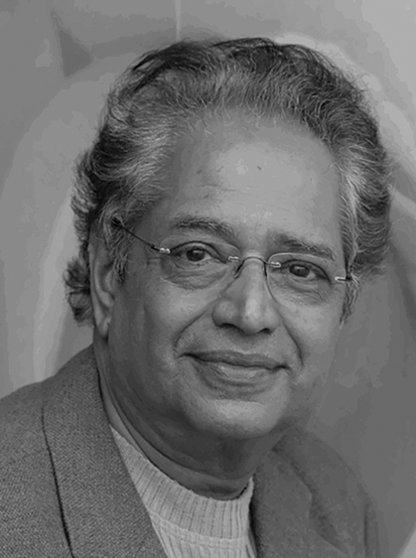
WHAT IS PAINTING?
DR. SUDHIR KAKAR
Dr. Sudhir Kakar explores painting through psychoanalysis, suggesting that art reflects an artist's unconscious conflicts and early experiences. A painting can act as a window into the artist's inner world, helping to restore psychological balance, though not always successfully. Examples like Gauguin, Matisse, and Pollock show how personal history shapes artistic expression. However, art is not only autobiographical; it also involves form, abstraction, and cultural context. True artistic value lies in the "emotion of form"-the arrangement of visual elements that evoke feelings in viewers. Ultimately, painting is both a psychological expression and a structured interplay of imagination, knowledge, and universal perceptual responses.


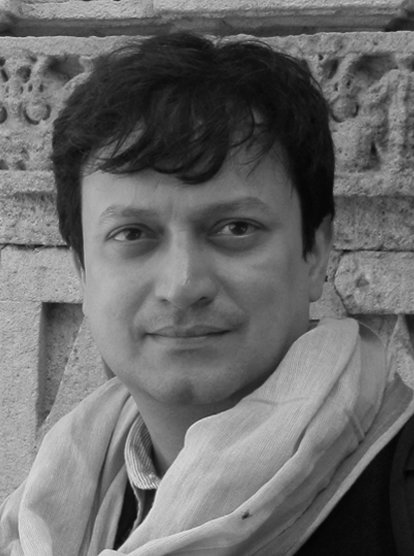
CURATORIAL PRACTICE
RANJIT HOSKOTE
Ranjt Hoskote reflects on the tension between working as both a theorist and a curator in the visual arts, in this paper 'Curatorial Theory and Practice!. Theorists examine diverse cultural practices beyond traditional art contexts, while curators must translate these into forms accepted by the art world. This dual role raises questions about authority, representation, and the definition of art and artists. The shift from art history to visual studies expands what counts as evidence but creates challenges in framing meaningful inquiry. Hoskote advocates a flexible, critical approach that questions the power held by curators and theorists, resists fixed disciplines, and emphasizes interpretation as a shared process
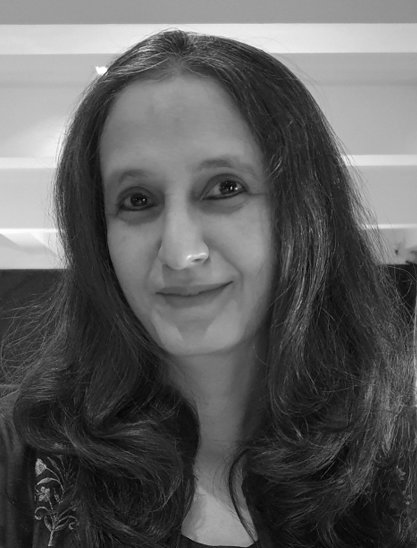
ARTISTIC INTERVENTION IN PUBLIC SPACES
NANCY ADAJANIA
Nancy Adajania traces the evolution of public art in India from the 1970s, when some leftist artists sought to make art accessible through exhibitions in everyday spaces. While aiming to merge art with activism, these efforts often failed to engage communities meaningfully and remained tied to commodification. Later practices shifted toward collaboration and site-specific work, yet challenges persisted due to elitism, weak political engagement, and institutional control. Examples reveal gaps between intention and impact, especially in urban projects. The author argues that true democratization of art requires deeper collaboration, critical self-reflection, and the creation of alternative symbolic forms rooted in social contexts.
EDITION ~ I